Dementia care through truth and reconciliation
Learning the connections between dementia, Indigenous communities and Manitoba’s history.
Every person’s experience with dementia is shaped by their history, culture and community.
For First Nations, Inuit, and Red River Métis families in Manitoba, this experience can be based on traditional knowledge and teachings, family systems or spiritual beliefs about dementia.
The Indigenous Cognition & Aging Awareness Research Exchange (I-CAARE) reports “there is no word that has been identified to mean dementia” in Indigenous languages in Canada. Different Indigenous Peoples, communities and cultures across the country hold different understandings of dementia and memory loss related to aging. These understandings may be very different from those held by doctors, healthcare professionals or support workers.
Indigenous Peoples’ experiences can also carry the impact of colonialism, such as intergenerational trauma, geographic isolation and a health care system that does not always feel safe, trusting or welcoming.
Education through the National Centre for Truth and Reconciliation
The Alzheimer Society of Manitoba continues to invest in our staff’s education and awareness of the diverse communities we serve to help us provide better support for those living with dementia and their families.
In December 2025, Alzheimer Society team members across the province came together for a staff development day to learn from the National Centre for Truth and Reconciliation (NCTR) about the connection between dementia and the Indigenous communities in Manitoba.
The NCTR works with Indigenous and non-Indigenous partners to educate the public and raise awareness of the history of the residential school system, its impact and support action towards truth, reconciliation and healing.
Manitoba’s history and impact
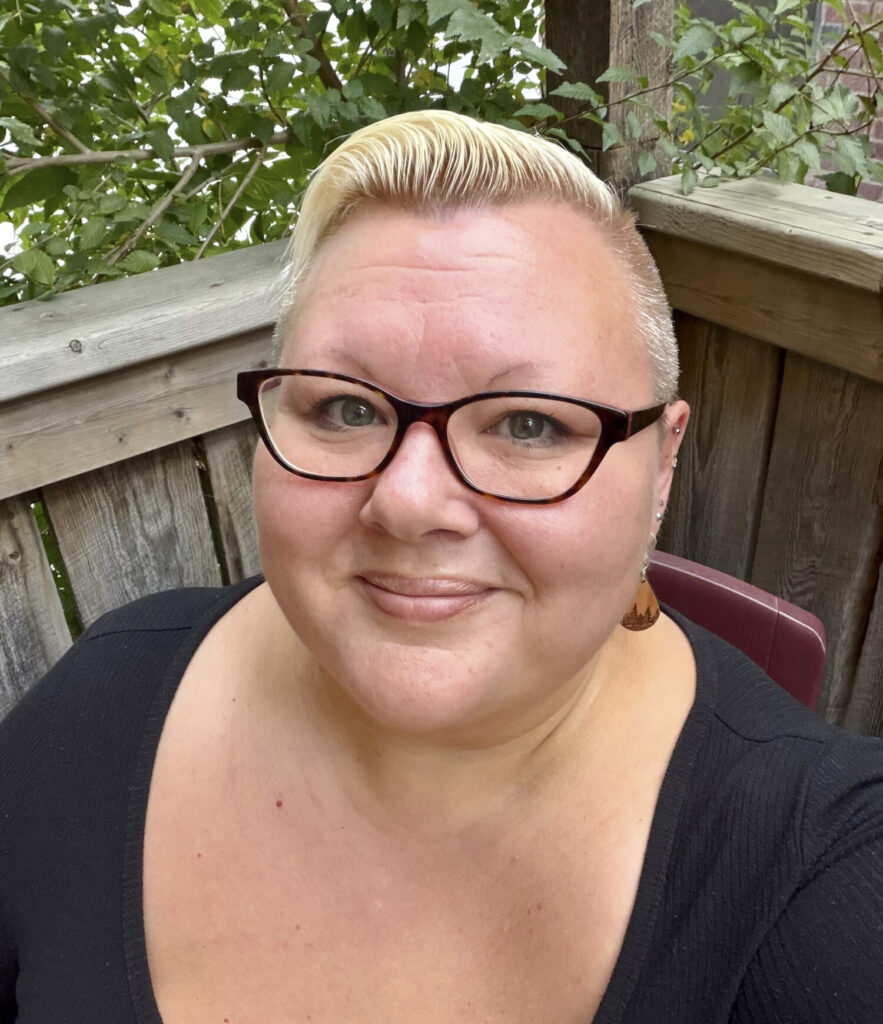
NCTR’s Community Engagement and Education Program Coordinator, Sandra Bender, spoke to our staff. Over her 3 years with NCTR, Sandra has presented over 250 educational sessions on the history and ongoing impact of residential schools.
“The result of colonialism and residential schools is not only the psychological or emotional effects, but physical ones too,” says Sandra.
The 2024 Landmark Study, The Many Faces of Dementia, reports colonization as a root factor of dementia risk and other health related outcomes in Indigenous communities. The study reports that due to the many impacts of colonialism, Indigenous populations have higher dementia risks associated with social determinants of health — the conditions in which people are born, grow, live, work and age. These non-medical factors, such as income, education, food security and housing play a strong role in influencing health outcomes.
Families can also face many barriers to receive quality dementia care, such as cultural and language differences, and the distance between communities and care centres.
The number of people living with dementia in Canada who are Indigenous is increasing, and is expected to more than double by 2050. As this population grows, so does the need for access to quality dementia care and culturally relevant support.
Moving forward through reconciliation
Understanding the history behind these health outcomes and access to resources is important. This helps us find ways to address these barriers to dementia support for people living with dementia and their care partners.
As a community resource organization, the Alzheimer Society of Manitoba aims to provide dementia resources for Indigenous Peoples, made by Indigenous Peoples. We are committed to listening to Indigenous-led organizations and the lived experiences of Indigenous Peoples, families and communities facing dementia to help us grow our understanding of what dementia support looks and feels like.

Indigenous dementia resources for families and care partners
Learn about inclusive and culturally grounded dementia care.