
The brain-healthy reason to stay social this winter
Keeping our social connections strong is one important way to help protect our brain health.
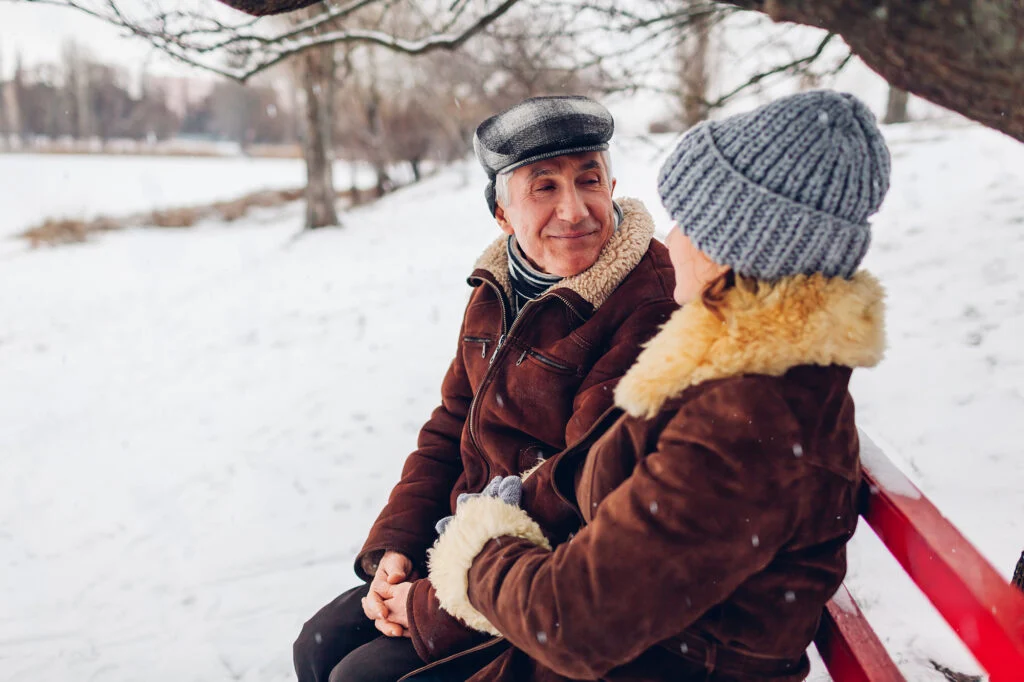
With cold weather approaching, many of us may start feeling the temptation to stay inside our warm homes and avoid journeying out to visit family, attend events or catch up with friends. But no matter the weather, keeping our social connections strong is an important way to protect our brain health.
Socialization is risk reduction
Brain health research shows that our social connections play a role in maintaining a healthy lifestyle. The 2024 Lancet Commission on dementia prevention, intervention and care named social isolation as one of 14 modifiable risk factors linked with dementia.
Prioritizing social connections can be as simple as scheduling a regular phone call with a family member, joining an online class or meeting a friend for coffee.
Making sure you have a variety of social connections in your life doesn’t guarantee that you won’t develop dementia, but the more we do to support our brains, the more we can reduce our risk.
Isolation, loneliness and maintaining connections
Even if you or someone you know is already living with dementia, staying socially active still has brain-health benefits. Keeping socially connected while living with dementia, along with other healthy habits, may help slow symptom progression.
For people living with dementia and their care partners, staying connected can sometimes become more difficult as changes occur. Friends may pull away because they are unsure what to say or how to help. Care partners might lose their usual routines as they adjust to new responsibilities, or pull back from previous activities due to uncertainty about how things will go.
Each situation may need different kinds of support. Someone who is isolated may need help with transportation, hearing, mobility or help finding an activity they can join. Someone who feels lonely may need deeper connection, grief support or a safe place to talk openly about their experiences.
It can be helpful to think about what types of social activities make you feel more connected with others and yourself. Maintaining connections, even as things change is important part of promoting quality of life for people living with dementia and their care partners.
Ways to connect
We offer support groups, both in-person and online, and community programs throughout the winter for people living with dementia, their care partners and families. These spaces provide information, understanding and connection with others who understand what you’re going through.
Find connection in our support groups
Support groups for people living with dementia
Support groups for care partners
Join our upcoming education sessions
Family Education: Next Steps: Psychosocial Factors & Brain Health
Date: Thursday, Nov 19, 2026
Time: 2 – 3 pm
Location: Virtual via Zoom
Cost: Free
Family Education: Next Steps: Let’s Talk About Care Partner Well-being
Date: Tuesday, Dec 8, 2026
Time: 2 – 3 pm
Location: Virtual via Zoom
Cost: Free
Get involved with our community partner programs
Dalnavert Museum tours
Date: Last Saturday of every month
Time: 10 – 11:30 am
Location: Dalnavert Museum, 61 Carlton St (Winnipeg)
Cost: $24 (plus tax) per pair and session, $12.00 if one of the pair is a Dalnavert Museum member
Tune-Up Café
Date: Bi-weekly on Tuesdays, Sep 15 – Dec 22
Time: 6:15 – 8 pm
Location: Convalescent Home of Winnipeg, 276 Hugo Street N (Winnipeg)
Cost: Free
Enjoy physical activity with our Minds in Motion® sessions
