The link between hearing loss and dementia risk
Protecting your hearing also benefits your brain.
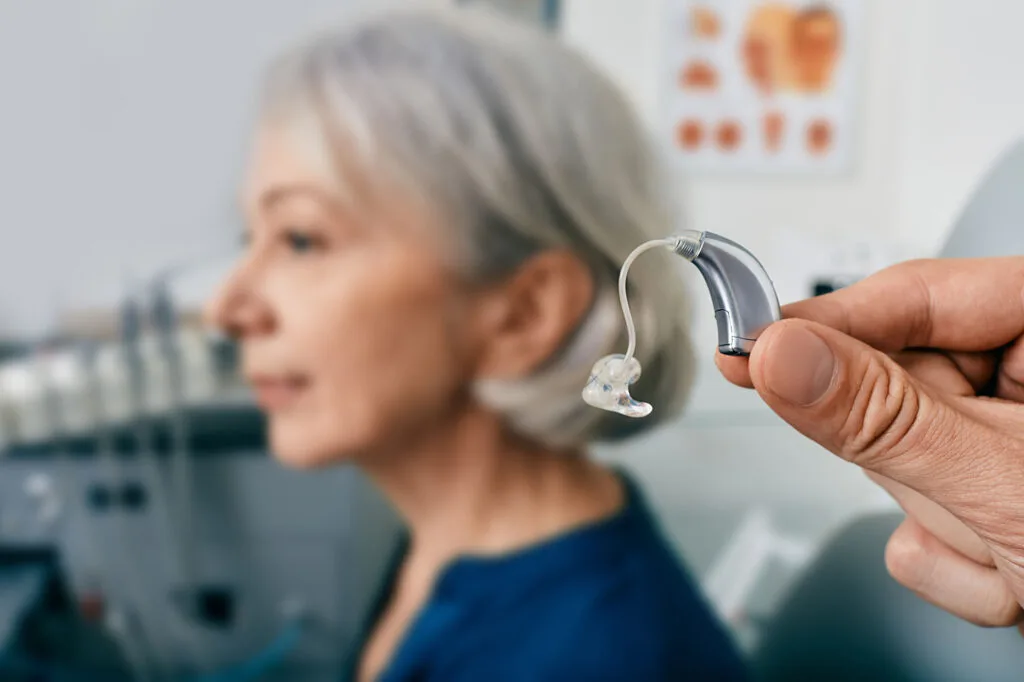
Most of us know that loud sounds can damage our hearing, but did you know that our hearing health is also linked to our brain health?
In 2024, the Lancet Commission on dementia prevention, intervention and care identified 14 modifiable risk factors linked with dementia. Hearing loss was one of the largest factors.
Hearing loss alone won’t lead to dementia, but taking care of your hearing is one way you can improve your overall brain health and reduce your risk of developing the disease.
Hearing changes can be subtle and easy to miss. Statistics Canada found that 54 per cent of Canadians aged 40 to 79 had at least mild hearing loss in the higher frequencies, and 77 per cent of them hadn’t noticed any loss.
Hearing health is one piece of a larger brain health puzzle, and it’s one piece many of us can do something about.
Here are a few simple steps you can take to help your hearing health:
- Consider a baseline hearing check around midlife. The World Health Organization suggests hearing screening every five years starting around age 50, and every one to three years starting at age 65.
- Book an appointment with a healthcare practitioner as soon as you notice hearing changes, ringing in your ears or if people often seem to mumble.
- Protect your ears from loud sounds by wearing earplugs or earmuffs.
- Take breaks from loud or noisy tasks.
- Keep headphone and earbud volume at a comfortable level.
- Look into hearing aids or other support options if you noticed hearing changes.
If you have questions about dementia or other risk factors, our First Link® Client Support team is here to help.