Getting back to basics with Dr. Weaver
A glimpse into the 2026 Dementia Research Forum.
In anticipation of our Dementia Research Forum: Back to Basics, we interviewed Dr. Donald Weaver, Senior Scientist, Clinical Neurologist and Medicinal Chemist, to hear his professional perspective on the current state of dementia research.
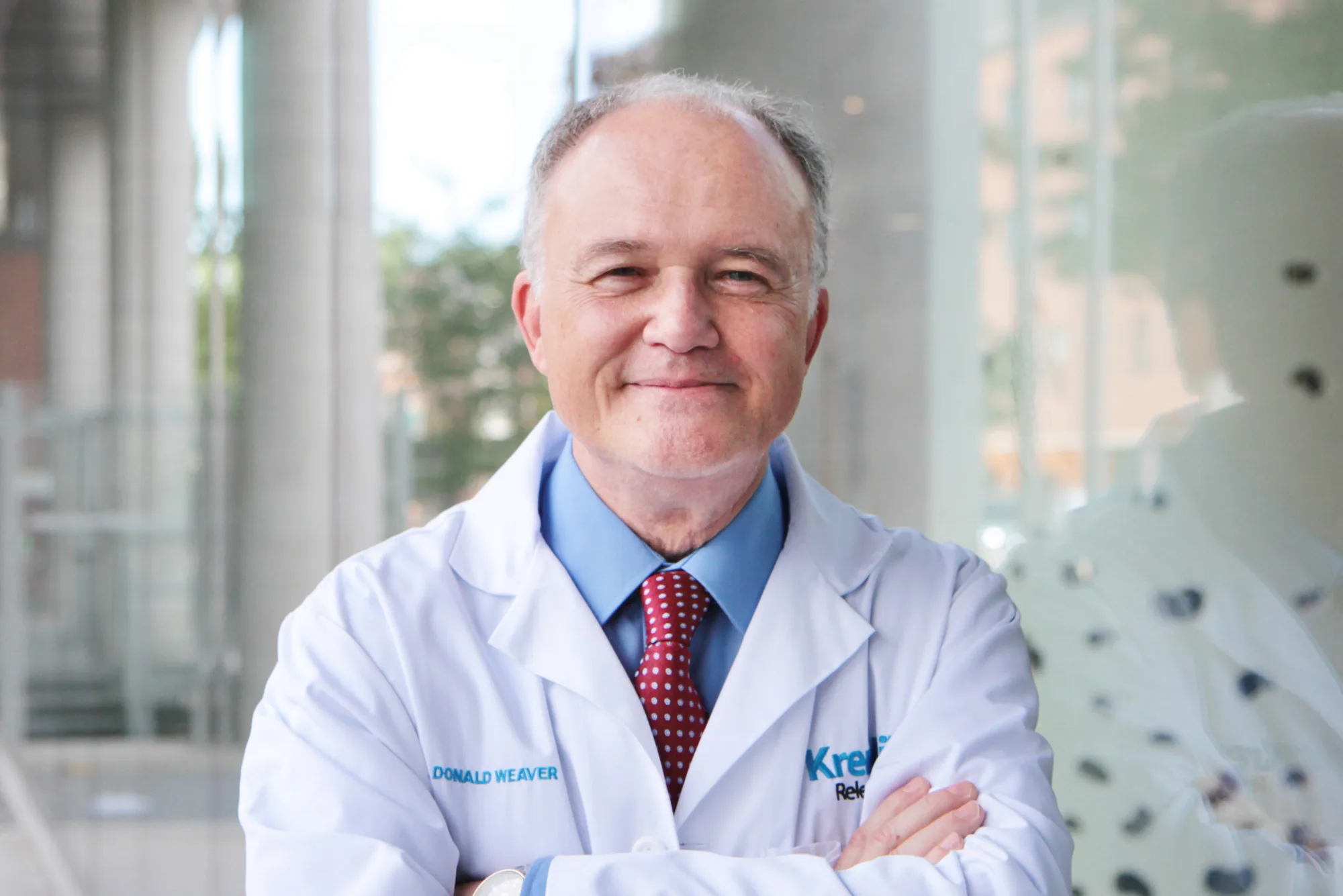
Dr. Weaver, one of Canada’s leading dementia researchers, explains how dementia is a complex, heterogeneous disease affecting the most complicated organ in our body — our brain. He says researchers don’t fully understand Alzheimer’s disease.
“I like to say that astronomers know more about Pluto than we know about our brain,” says Dr. Weaver.
Current dementia research and news headlines often refer to plaques or amyloid proteins. When a protein in the brain called amyloid-beta clumps together between brain cells, it forms deposits called amyloid plaques. Some research suggests that when plaque deposits become large enough, it can block the brain’s transfer or signals between cells. This may play a role in causing the brain cells to die, leading to cognitive decline.
While dementia and Alzheimer’s disease research has been based on this amyloid hypothesis for the past 30 years, Dr. Weaver says it’s only one piece of the larger puzzle of dementia.
“We have all the pieces, but we haven’t assembled it into a picture that we recognize yet. And I think that getting back to basics, from my point of view, is exactly what we need,” he says.
During our online Research Forum in September, Dr. Weaver will be debunking the myths and trending buzzwords around dementia cures and connections, ranging from aluminum and creatine to ADHD, diabetes and sleep. As different trends rise and gain attention in the conversation around dementia prevention, diagnosis, progression and treatment, Dr. Weaver says getting back to the basics means discussing just three things: the risk factors, the diagnosis, and the treatment.
He describes how there isn’t certainty in getting a cure for Alzheimer’s disease, but Dr. Weaver believes we will be able to find ways to manage it.
“It’s quite within the realm of possibility that we are going to get drugs that will help you manage the disease, let you live — hopefully — much longer and allow you to live at home with a good quality of life. That’s the goal,” says Dr. Weaver.
Risk reduction, there’s no doubt about it
New developments in blood testing, advancements toward further access to Lecanemab and public drug plans, diagnostics and therapeutics have been circulating in the news — giving many people hope that a better life without dementia is on the horizon. Dr. Weaver says we can’t afford to wait for the future, and we need to take action on what we can control.
One thing is for certain: risk reduction saves lives.
Similar to lowering your risk of developing cancer or heart disease by quitting smoking and limiting alcohol consumption, there are specific steps you can take to help reduce your risk of developing dementia.
Aging is the biggest risk factor for dementia, and while you can’t control non-modifiable risk factors such as your age, gender or genetics, there are several lifestyle changes you can make.
“You can personally decrease your own likelihood of getting this disease. That’s something which you as an individual can do,” says Dr. Weaver.
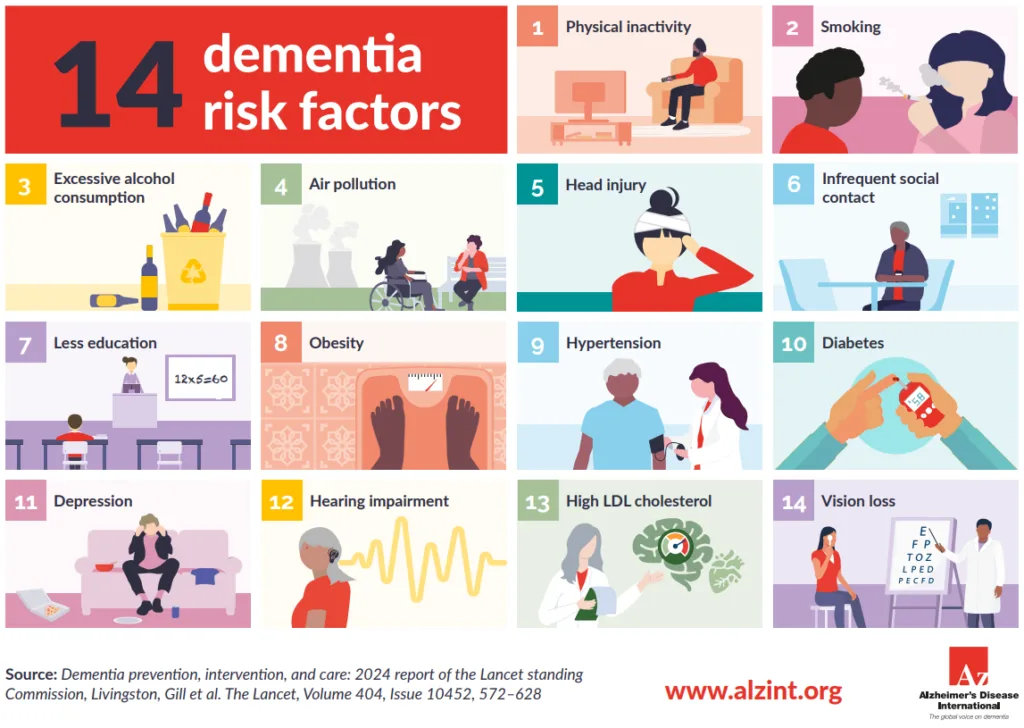
Research has identified 14 risk factors for dementia which include: physical inactivity, smoking, excessive alcohol consumption, obesity, head injury and infrequent social contact. Limiting these activities directly lowers your risk of developing dementia — and it’s important for everyone.
Following these lifestyle changes may also help delay the progression of symptoms for people living with dementia. Dr. Weaver emphasizes the importance of spending more time on dementia risk factors.
“If I’m aware of the risk factors, I can do something to protect me and my family. That’s useful… and it doesn’t involve throwing out my aluminum pots,” he says.
Looking forward
Dr. Weaver’s current research focuses on neuroinflammation’s role in Alzheimer’s disease. He says he’s quite optimistic about the current drug studies addressing neuroinflammation.
“We are going to be able to manage this disease and give you a good quality of life, that I am certain of,” says Dr. Weaver.
On top of knowing the risk factors, Dr. Weaver emphasizes the importance of local government advocacy. He says the public needs to keep dementia care at the forefront of the government’s agenda to ensure an increase in future funding.
“We need to keep our politicians aware. Politicians only pay attention if the voting public is paying attention,” says Dr. Weaver.
Save the date
Dr. Weaver is back by popular demand for this year’s forum, Dementia Research: Back to Basics, on Thursday, September 17, 2026. By attending our Research Forum webinar, you’ll be given the tools to stay informed and find reliable, accurate sources of information about dementia.
If you are providing care to someone living with dementia, taking care of your own brain health or if you’re simply curious about dementia research and how it might affect your life — this webinar is for you.
Join the conversations with Dr. Weaver for your chance to hear from an expert!

Register for Dementia Research: Back to Basics